
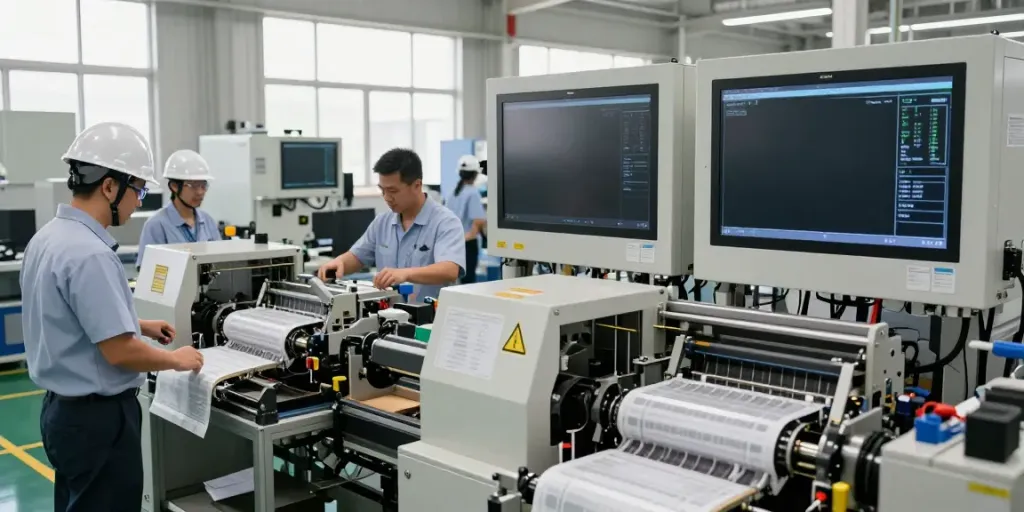
The Role of Packaging Equipment Manufacturers in Modern Industry
In an increasingly competitive marketplace, the role of packaging equipment manufacturers, like Durzerd, is becoming more crucial than ever. These manufacturers provide the machinery and technology that supports various industries, from food and beverage to pharmaceuticals and beyond. With the right packaging solutions, businesses can enhance product safety, improve efficiency, and ensure that they meet ever-evolving consumer demands. As a leading packaging equipment manufacturer, Durzerd recognizes the importance of tailored solutions that align with both production capabilities and market needs.
Understanding the Importance of Packaging
Effective packaging serves multiple roles beyond mere aesthetics. It acts as a barrier to contamination, protects products during transit, and provides valuable information to consumers. Furthermore, well-designed packaging can even enhance brand image and drive sales. With the rise of e-commerce, the demand for efficient packaging solutions has surged, compelling manufacturers to innovate continually. This trend emphasizes the necessity for businesses to work with reliable packaging equipment manufacturers who can offer tailored solutions that bolster their operational success.
Market Trends for Packaging Equipment in 2026
As we look towards 2026, several key trends are shaping the packaging equipment market. Sustainability is at the forefront, with an increasing urgency for eco-friendly materials and practices. Consumers are becoming more environmentally conscious, pushing brands to opt for biodegradable packaging and minimal waste designs. Additionally, automation and smart technology are transforming production lines, allowing manufacturers to achieve greater efficiency and flexibility. Companies must remain vigilant and adapt to these trends to maintain a competitive edge.
Key Technologies Shaping the Industry
Several cutting-edge technologies are revolutionizing the packaging equipment landscape. Innovations such as artificial intelligence (AI), the Internet of Things (IoT), and robotics are enhancing production efficiency and accuracy. AI algorithms can optimize packaging designs based on consumer preferences and market trends, while IoT devices provide real-time monitoring of packaging processes. Robotics facilitate high-speed packing, reducing labor costs and increasing throughput. As these technologies evolve, they promise to redefine operational standards and capabilities in the packaging sector.
Choosing the Right Packaging Equipment Solutions
Selecting the appropriate packaging machinery is crucial for optimizing production and meeting market demands. Businesses must evaluate their specific needs carefully, considering factors like production volume, product types, and packaging formats. Understanding these criteria can significantly impact operational efficiency and profitability in the long run.
Factors to Consider When Selecting Machines
- Production Capacity: Assess the expected output and ensure the equipment can handle the production volume.
- Type of Product: Different products may require specialized packaging solutions, such as flexible vs. rigid containers.
- Cost Efficiency: Evaluate initial costs alongside potential savings in operational efficiency and labor.
- Ease of Use: Select machinery that is user-friendly and easy to integrate into existing workflows.
- Support and Maintenance: Consider the manufacturer’s support services, warranty, and availability of spare parts.
Comparing Open-Mouth Bagging vs. FFS Packaging
Understanding the differences between open-mouth bagging and form-fill-seal (FFS) packaging systems is essential for making an informed decision. Open-mouth bagging machines are ideal for bulk materials, providing flexibility for various container types and sizes. Meanwhile, FFS systems streamline production, as they create, fill, and seal bags in a single process, which can lead to reduced labor costs and increased speed. Selecting between these options should be based on the specific requirements of your production line and product type.
Customization for Specific Production Needs
Customization is a vital aspect of modern packaging solutions. Every business has unique production requirements, and off-the-shelf equipment may not always suffice. A personalized approach allows manufacturers to develop machinery tailored to specific operational needs, enhancing efficiency and output. Companies like Durzerd take pride in their ability to offer bespoke solutions, ensuring that clients achieve optimal results tailored to their workflows.
Boosting Productivity with Advanced Packaging Systems
In today's fast-paced marketplace, productivity is crucial. Businesses must streamline their packaging operations to remain competitive and responsive to market changes. Advanced packaging systems offer a pathway to enhance productivity and meet challenging demands.
Automating Your Packaging Line
Automation is a game-changer in packaging operations. By integrating automated systems, companies can improve precision and reduce human error. Automated packaging lines not only speed up the packing process but also free up human resources for more complex tasks, ultimately enhancing overall efficiency. Manufacturers should consider investing in automation technology to optimize their production capabilities.
Integrating Technology for Real-Time Monitoring
Real-time monitoring systems allow businesses to track their packaging processes and identify inefficiencies swiftly. Sensors can provide feedback on equipment performance, enabling proactive maintenance and minimizing downtime. Implementing such technology ensures that production lines operate smoothly and reduces operational costs over time.
Case Studies on Successful Implementations
To illustrate the impact of advanced packaging systems, consider the case of a leading food manufacturer that integrated FFS machines into its production line. By automating their packaging process, the company achieved a 30% increase in output and significantly reduced waste. Another case involved a chemical manufacturer that adopted open-mouth bagging systems to enhance flexibility. They were able to streamline their operations and improve product quality, demonstrating the potential benefits of investing in advanced packaging solutions.
Cost Reduction Strategies in Packaging Operations
Cost reduction is a perennial goal for manufacturers. With rising operational expenses, it's crucial to identify areas where savings can be made without compromising quality. Below are key strategies to achieve cost efficiency in packaging operations.
Identifying Potential Areas for Savings
Conducting a thorough analysis of the packaging process is the first step toward identifying cost-saving opportunities. This may involve evaluating material usage, labor costs, and machinery efficiency. By pinpointing areas of waste and inefficiency, businesses can implement targeted strategies to reduce expenses.
Understanding the ROI of Quality Equipment
Investing in high-quality packaging equipment may seem like a significant upfront expense; however, the return on investment (ROI) can be substantial. Quality machines reduce downtime, improve precision, and enhance throughput, leading to long-term savings. Businesses should weigh the benefits of investing in reliable solutions against potential losses from subpar equipment.
Best Practices for Maintenance and Upkeep
Regular maintenance is essential to prolong the life of packaging machinery and prevent costly breakdowns. Establishing a routine maintenance schedule ensures that equipment operates smoothly and efficiently. Additionally, training staff on proper machine usage can help avoid accidents and extend machinery longevity, further reducing long-term costs.
Future Trends in Packaging Machinery for 2026 and Beyond
Preparing for future trends in packaging machinery is essential for businesses aiming to stay ahead of the curve. The landscape is continuously evolving, influenced by technological innovations and changing consumer preferences.
Emerging Innovations to Watch
The next few years are expected to see several innovations that will redefine packaging machinery. From smart packaging that enhances consumer interaction to more advanced automation techniques, manufacturers must stay informed and adaptable. Investing in research and development will be critical for those wishing to maintain a competitive edge.
Environmental Considerations in Packaging
With the growing emphasis on sustainability, packaging manufacturers must prioritize eco-friendliness in their designs and materials. Options such as recyclable packaging and biodegradable materials are becoming increasingly popular. Businesses that embrace these trends not only comply with consumer demand but also promote environmental responsibility.
Preparing Your Business for Industry Changes
As the packaging industry continues to evolve, businesses must remain adaptable. Regularly assessing technology trends, investing in staff training, and maintaining strong relationships with equipment manufacturers are all strategies that can help companies prepare for future changes. By proactively addressing potential challenges and opportunities, businesses can position themselves for success in a fast-paced market.
What are the benefits of using high-quality packaging equipment?
High-quality packaging equipment enhances operational efficiency, reduces downtime, and ensures product integrity. Such equipment is designed for durability and precision, which leads to better-quality packaging and increased consumer satisfaction.
How can packaging automation improve operational efficiency?
Automation minimizes human error, speeds up production times, and allows for consistent quality. By automating repetitive tasks, companies can allocate labor to more specialized roles, enhancing overall productivity.
What trends are impacting the packaging equipment industry?
Trends such as sustainability, automation, and smart technologies are reshaping the packaging equipment landscape. Manufacturers that adapt to these trends can not only improve efficiency but also meet changing consumer demands.
Why is customization important for packaging solutions?
Customization ensures that packaging solutions meet specific production requirements, which can lead to increased efficiency and reduced waste. Tailored machinery can perform better in unique operational contexts, providing a competitive advantage.
What should businesses consider when investing in packaging technology?
When investing in packaging technology, businesses should analyze their specific production needs, budget constraints, and future growth potential. Additionally, factoring in the warranty, maintenance options, and support from the manufacturer is vital to making a sound investment.