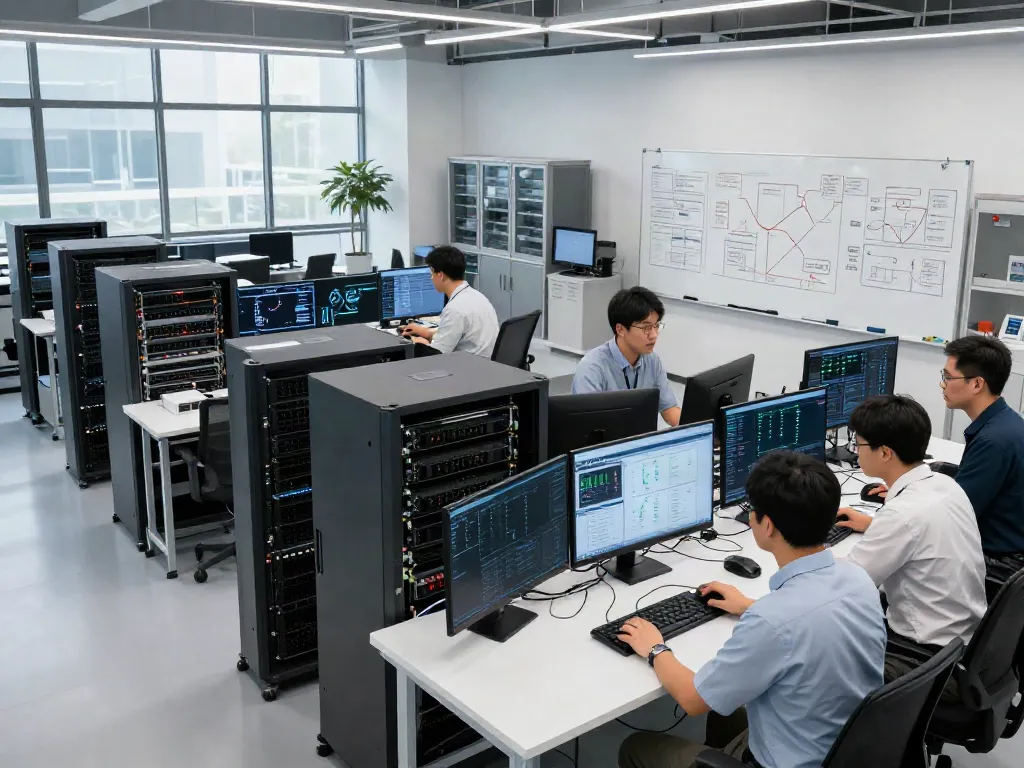
Understanding AI Infrastructure
In today's digital landscape, AI infrastructure has emerged as a crucial component for businesses looking to leverage artificial intelligence (AI) to improve efficiencies, drive innovation, and maintain competitive advantages. AI infrastructure comprises the hardware, software, and services necessary to develop, deploy, and manage AI applications effectively. As the demand for AI solutions grows, so too does the importance of a robust and scalable infrastructure that can support these operations.
What is AI Infrastructure?
AI infrastructure refers to the foundational elements that enable the functioning of AI applications. This includes both physical and virtual resources such as servers, storage systems, networking components, and software frameworks that facilitate the computational requirements of AI workloads. More than just raw computing power, AI infrastructure also encompasses thoughtful orchestration of resources to ensure optimal performance and scalability in response to fluctuating workloads.
Key Components of AI Infrastructure
- Hardware: This includes GPUs, TPUs, and specialized processors that accelerate AI computations.
- Storage Solutions: High-speed storage systems to handle vast amounts of data used in training AI models.
- Networking: Efficient networking to manage and transmit data across distributed systems.
- Software Platforms: Tools and frameworks like TensorFlow and PyTorch that simplify machine learning and AI model deployment.
- Cloud Services: Cloud-based platforms that offer flexible, scalable environments for running AI workloads.
Importance of AI Infrastructure in 2026
As we move further into 2026, the landscape of AI will continue to evolve rapidly. The infrastructure that supports AI technologies will be critical in facilitating advancements in machine learning, deep learning, and other AI capabilities. Organizations will require sophisticated infrastructure to not only support current applications but also to adapt to new technologies and methodologies, including real-time data processing and edge computing. The integration of AI infrastructure with the Internet of Things (IoT) will further expand its importance, requiring systems that can handle massive amounts of data from interconnected devices.
Participating in the AI Token Economy
The AI Token Economy presents a unique opportunity for individuals and organizations to engage in the burgeoning world of AI-driven services and applications. Within this ecosystem, participants can contribute to AI infrastructure and be rewarded for their efforts through a structured contributions system.
How AI Infrastructure Powers the Token Economy
AI infrastructure acts as the backbone of the token economy by providing the necessary computational resources for developing and utilizing AI applications. Each transaction, or "token," represents the processing power and resources consumed when executing AI workloads. By investing in AI infrastructure, participants become vital contributors to this economy, receiving tokens in return for their support of computational tasks.
Your Role as a Contributor
Contributors play an essential role in the AI Token Economy by participating in various power plans that support AI infrastructure. Through these plans, individuals can help manage the electricity and computational power required for AI operations, thus earning tokens based on their contributions. This model democratizes participation, allowing anyone to contribute without needing to own physical assets like data centers or GPUs.
Calculating Your Contribution Rewards
Understanding how rewards are calculated is crucial for participants. Each settlement period, platforms track the energy and resources provided by contributors. The system measures eligible AI workloads and computes revenue based on the processing tasks completed. After deducting operational costs, rewards are allocated according to the verified contributions of each participant, enabling a transparent and fair reward distribution mechanism.
Building a Scalable AI Infrastructure
To truly leverage the potential of AI, organizations must focus on building scalable infrastructure capable of adapting to changing demands and workloads. This demands careful planning and execution in various areas.
Designing Efficient Power Plans
Crafting efficient power plans is essential for optimizing the electricity used in AI workloads. Such plans should account for peak and off-peak usage times, ensuring that resources are allocated effectively to manage costs and performance. By aligning power supply with project requirements, organizations can enhance the reliability and efficiency of their infrastructure.
Challenges in Scaling AI Infrastructure
Scaling AI infrastructure poses several challenges, including resource management, integration of new technologies, high operational costs, and the need for continuous monitoring and maintenance. Organizations must develop strategies to address these challenges proactively, ensuring that their infrastructure can grow alongside technological advancements.
Future Trends in AI Infrastructure Scalability
Looking ahead, several key trends will shape the scalability of AI infrastructure. These include an increased emphasis on sustainable energy solutions, the rise of edge computing to reduce latency, and advancements in AI model optimization techniques that require less computational power. Embracing these trends will allow organizations to deploy AI applications more effectively and efficiently.
Best Practices for AI Infrastructure Management
Effective management of AI infrastructure is essential to maximize performance and maintain reliability. Organizations should adopt certain best practices to streamline their operations.
Maintaining Reliability in Operations
Reliability is a cornerstone of successful AI operations. Organizations should invest in redundant systems and failover solutions to ensure continuous availability of services. Regular maintenance schedules and monitoring tools can help identify and rectify potential issues before they affect performance.
Optimizing Power Consumption
Power consumption is a significant concern in AI infrastructure management. Implementing energy-efficient hardware, optimizing workload scheduling, and utilizing renewable energy sources can help organizations minimize their carbon footprint while maximizing operational efficiency.
Monitoring and Measuring Performance
Continuous monitoring of AI infrastructure performance is vital to identify bottlenecks and optimize resource allocation. Utilizing advanced analytics tools can provide insights into system usage patterns, helping organizations make informed decisions regarding upgrades, scaling, and resource management.
FAQs on AI Infrastructure
What are the top components of AI infrastructure?
The top components of AI infrastructure include hardware accelerators (GPUs, TPUs), storage solutions, networking equipment, software frameworks, and cloud services that support AI model development and deployment.
How can I participate in the AI Token Economy?
Individuals can participate in the AI Token Economy by selecting power plans that support AI infrastructure, allowing them to contribute resources and earn tokens in return for their support.
What are the benefits of scalable AI infrastructure?
Scalable AI infrastructure allows organizations to efficiently manage increasing workloads, adapt to new technologies, reduce operational costs, and improve overall performance in AI applications.
How is my contribution rewarded in AI infrastructure?
Contributions are rewarded based on a transparent calculation of the resources provided versus the operational performance achieved. Rewards are distributed after deducting operational costs from the revenues generated by the AI workloads supported.
What future developments can we expect in AI infrastructure?
Future developments in AI infrastructure will likely include advancements in automation, increased integration with edge computing, and enhanced focus on sustainability and energy efficiency within AI applications.